We Were All Futurists Once: What 1998, 2017, and the Streaming Age Got Wrong About the Future of TV

We Were All Futurists Once: What 1998, 2017, and the Streaming Age Got Wrong About the Future of TV
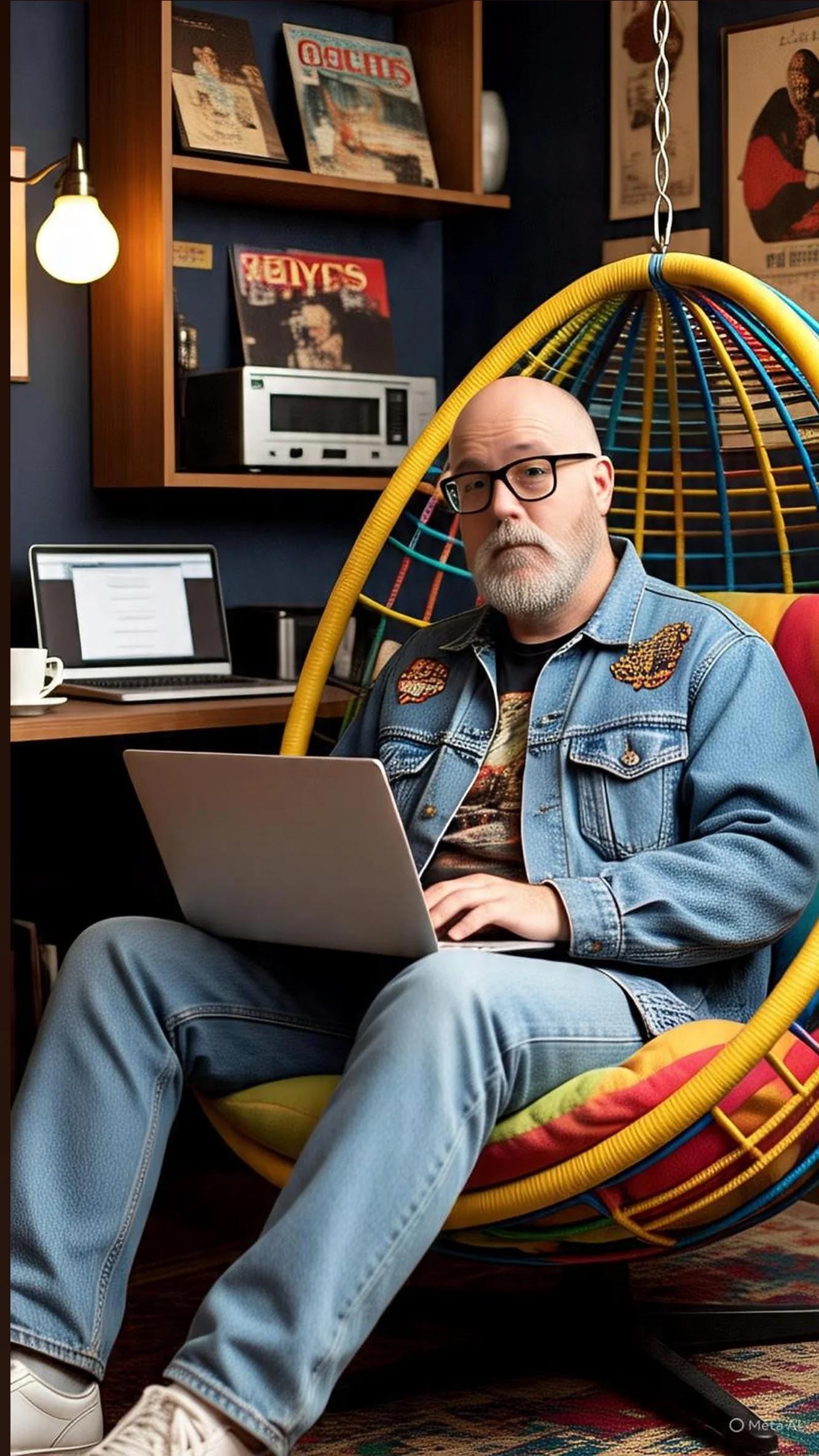
From 1998 predictions to 2017 streaming optimism, a look at how the future of television became more fragmented—not simpler—and what that reveals about technology, media, and human behavior.
Every generation believes it understands the future better than the last.
In 1998, Americans imagined 2025 as a sleek, efficient world where technology quietly solved everyday problems. In 2017, many of us—including me—believed streaming would finally fix television: fewer ads, more choice, and total control.
It’s now 2025.
And somehow, we’re paying more, watching less, and spending half our time asking a single question:
“What service is that on?”
When the Future Was Supposed to Be Easier
(Technology Predictions vs Reality)
A recent CNN article revisits how Americans in 1998 predicted life in 2025 would look. The confidence was striking. Technology would streamline life, free up time, and make everything more intuitive.
Read the article here:
👉 https://www.cnn.com/2025/12/29/politics/americans-predictions-1998-2025
What those predictions shared wasn’t arrogance—it was optimism.
The assumption was simple: progress reduces complexity.
Instead, it multiplied it.
More platforms.
More logins.
More subscriptions.
More noise.
Technology didn’t fade into the background. It became the environment.
My 2017 Streaming Predictions—and Where They Fell Short
(Cord Cutting, Streaming Platforms, and Digital Media)
That article sent me back to my own predictions from 2017, especially around cord cutting and streaming services.
At the time, the future of TV felt obvious:
Streaming would replace cable
Audiences would gain freedom
Competition would improve quality
And on paper, that all happened.
But the lived experience tells a different story.
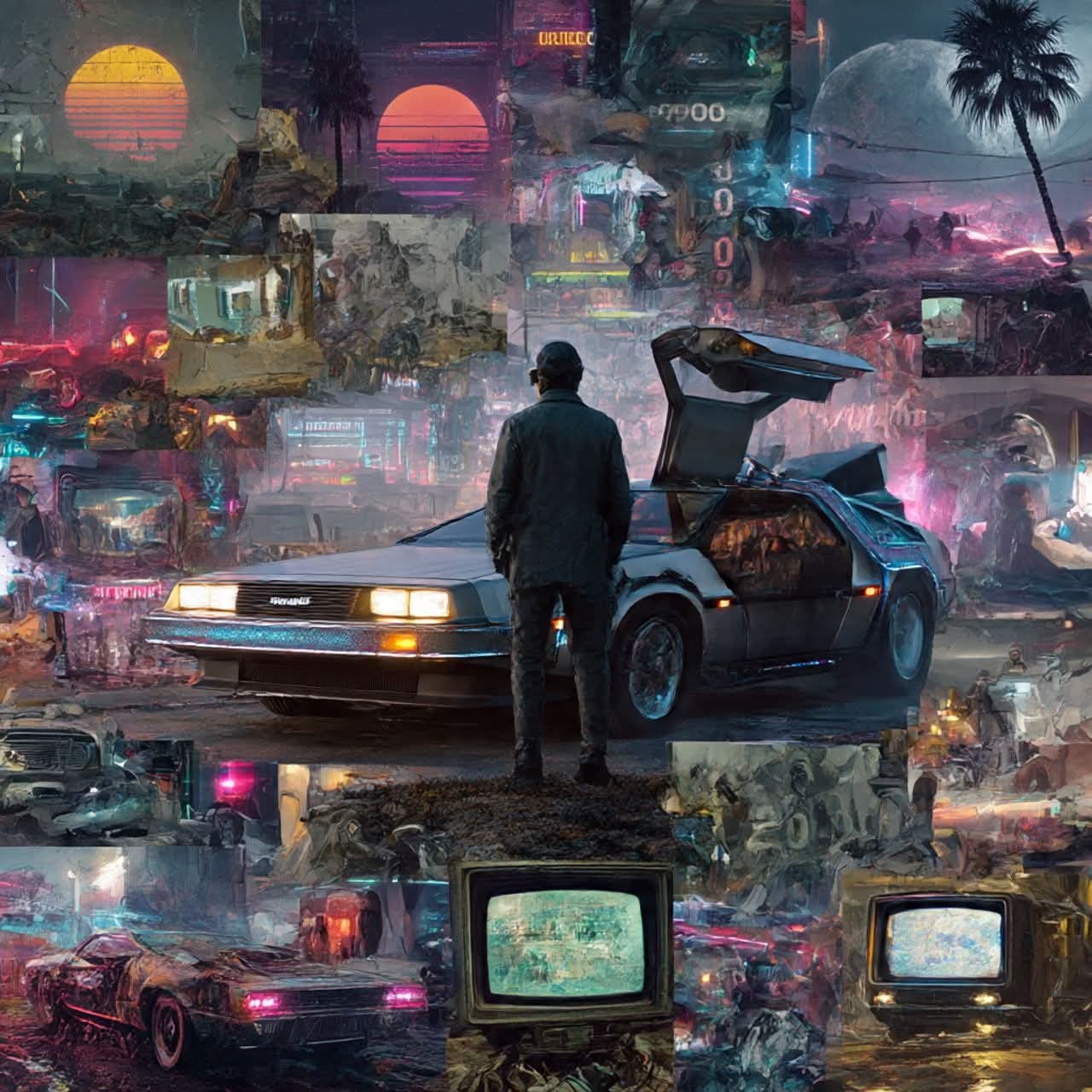
Today:
Cord cutting didn’t simplify costs—it redistributed them
Streaming platforms didn’t reduce friction—they relocated it
Choice didn’t eliminate gatekeepers—it replaced them with algorithms
I recently revisited those original ideas here: 👉 https://www.facebook.com/share/p/1BprPsTfJn/
Looking back, I wasn’t wrong about where things were going—but I misunderstood how they would feel once we got there.
Streaming Didn’t Kill TV—It Fragmented It
(The Streaming Wars Explained)
The biggest mistake in both 1998 and 2017 was assuming innovation moves in straight lines.
Streaming didn’t kill television.
It split it into competing ecosystems, each demanding loyalty, attention, and a monthly fee.
We lost:
Shared cultural moments
Simplicity
The sense that “everything is just on”
We gained:
Endless scrolling
Algorithmic discovery
Subscription fatigue
The streaming wars didn’t make TV better or worse—they made it heavier.
Why the Future of Media Keeps Surprising Us
(Digital Media Trends and Human Behavior)
This isn’t really a story about television.
It’s about a recurring blind spot in how we think about technology.
Every generation:
Overestimates how fast technology will improve life
Underestimates how complicated “better” becomes
Assumes more choice automatically means more freedom
But people don’t want infinite options.
They want:
Confidence
Clarity
The feeling that they’re not missing out
That’s the part we consistently fail to predict.
The Pattern From 1998 to 2017 to Now
(Why Media Predictions Age Poorly)
Looking across decades, the pattern is clear:
Predictions focus on tools, not incentives
Optimism ignores fragmentation
Convenience is promised, complexity is delivered
The future didn’t arrive incorrectly—it arrived incentivized.
And today’s incentives favor:
Engagement over enrichment
Scale over simplicity
Optimization over meaning
Understanding that matters more than guessing the next platform.
What Would I Predict Now?
Less.
Not because the future of TV and streaming isn’t interesting—but because certainty doesn’t age well.
If there’s one lesson from 1998 and 2017, it’s this:
The future doesn’t arrive the way we imagine—it arrives the way incentives shape it.
And that’s a much harder thing to predict honestly.
I share reflections like this—and revisit old predictions—on my personal Facebook page:
👉 https://www.facebook.com/matthewgagesd
So I’ll leave you with this:
What did you believe about the future of TV, technology, or media ten years ago that now feels charmingly wrong?
And what prediction—quietly, accidentally—turned out to be right?
We were all futurists once.
The real work now is learning from what we missed.